Compensating for Leg-Length Discrepancies
For the best possible symmetry of the wheel position
Does your pedaling often feel uneven while riding? Or have you been diagnosed by a doctor with a leg-length discrepancy or pelvic misalignment? Do you experience any problems or pain during longer bike rides?
In this case, none of these factors should simply be ignored, and they can be assessed as part of the 3D back scan during our posture analysis, which is included in the Bike Fitting Plus package.
Together with you, we’ll determine whether this issue is negatively affecting your cycling form or the symmetry of your seating position.
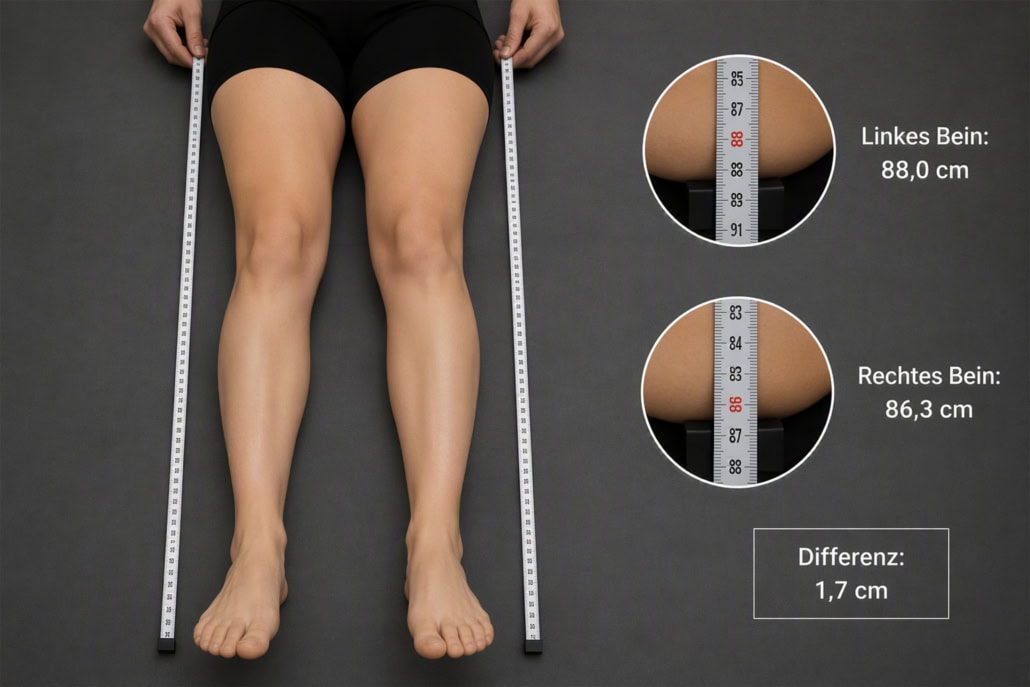
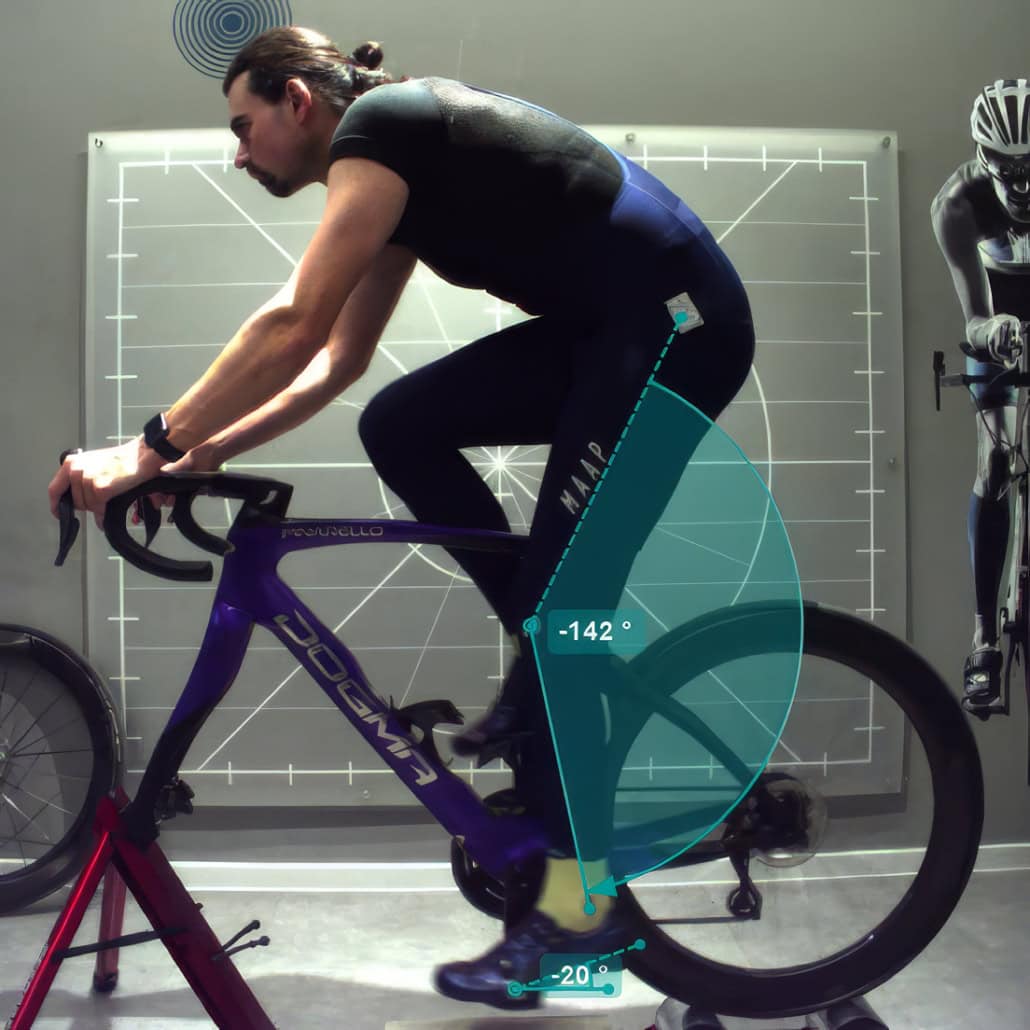
If we suspect that the legs are different lengths—a condition that can only be confirmed by a medical diagnosis—we always examine the knee extension and flexion as well as the ankle angle of both legs, since certain discrepancies may require adjustments to the bike.
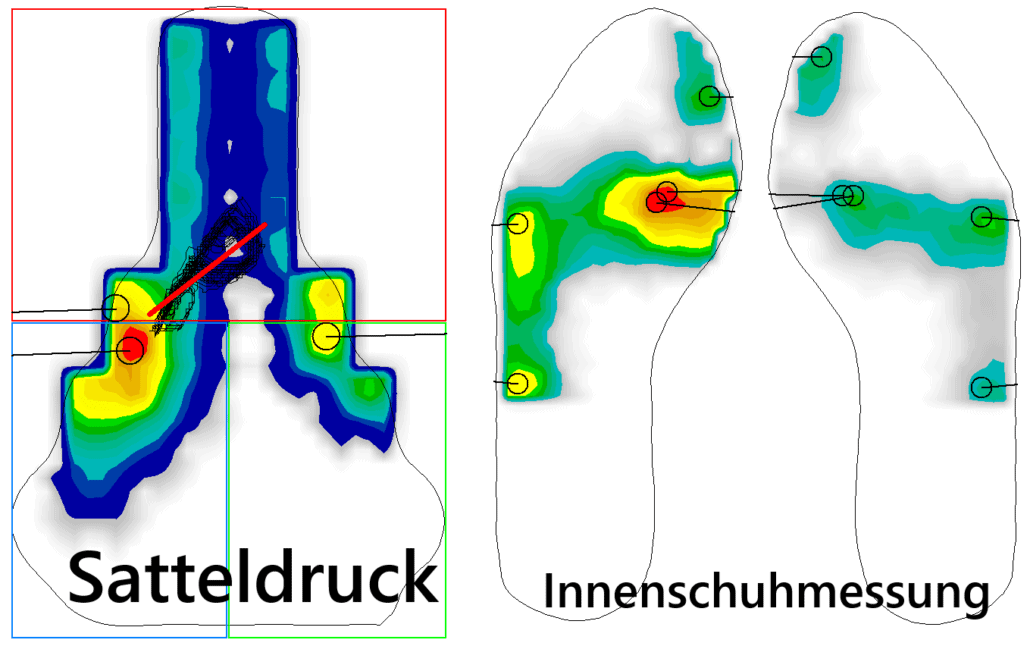
Similarly, asymmetrical results in saddle pressure and inner shoe measurements can be the result of an uncorrected leg length discrepancy. We distinguish between functional and structural leg length discrepancies.
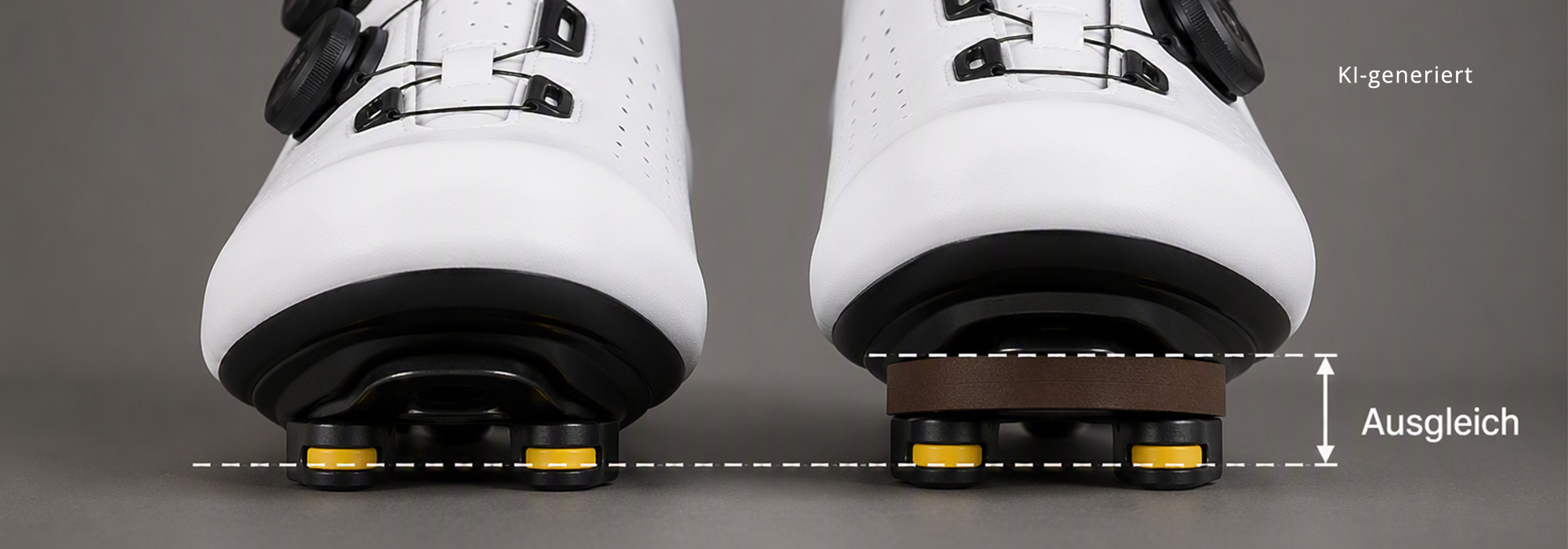
If the issue needs to be corrected on the bike, we can make adjustments directly to the cycling shoe. In most cases
, spacers are used between the cleat and the shoe, but bike insoles and other solutions may also be useful or necessary in some cases.
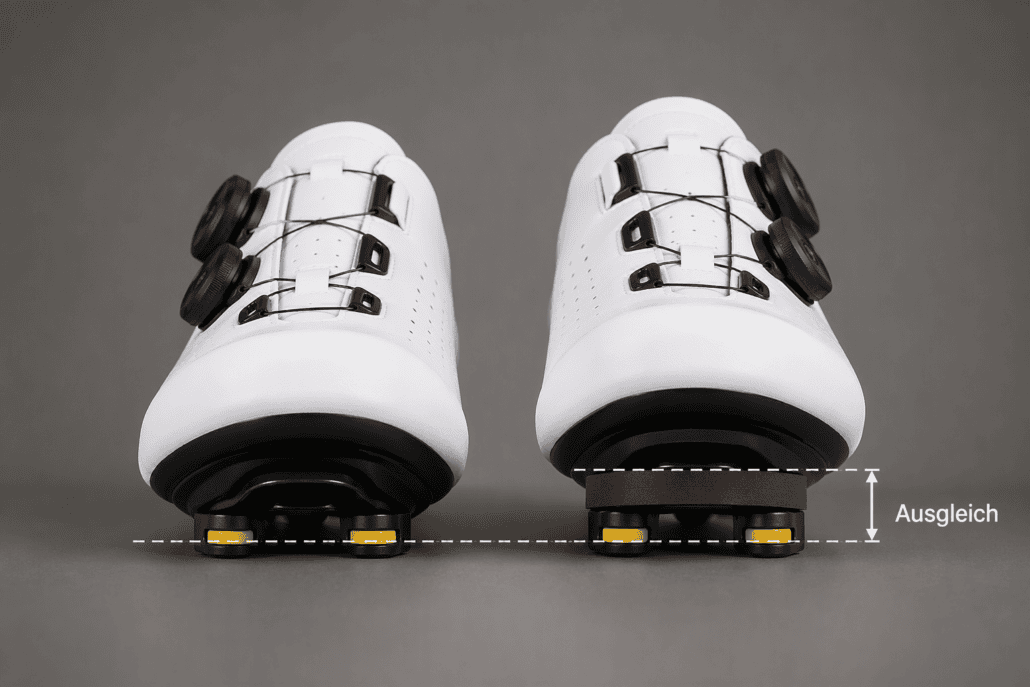
After an adjustment period, a follow-up measurement is included to assess how the body is adapting to the bike’s alignment.
A bike fitting that includes a leg-length assessment makes sense not only if a leg-length discrepancy has already been diagnosed but also as a preventive measure to reduce the risk of problems in the years to come.
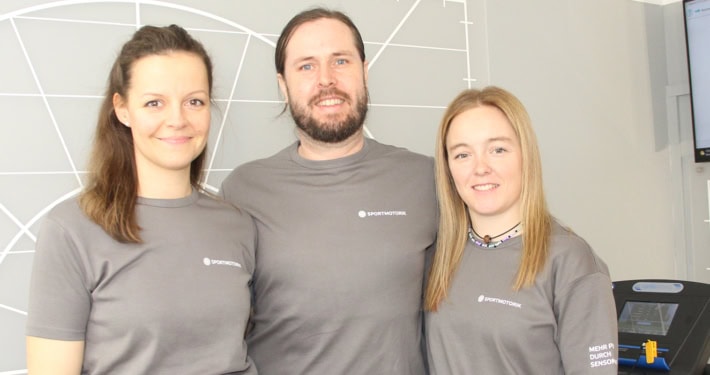
Sportmotorik Pinzgau opens in the province of Salzburg, more precisely in beautiful Uttendorf / Pinzgau!
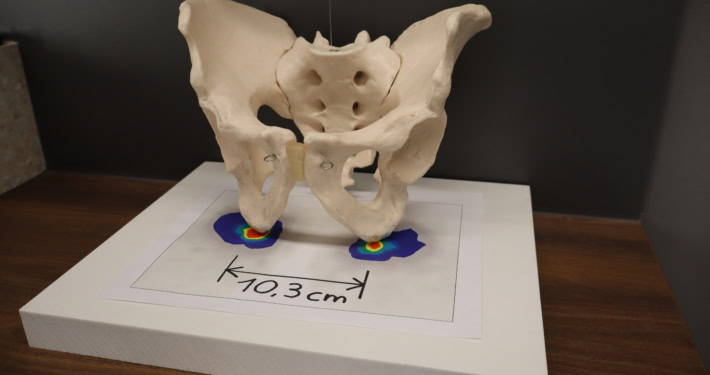
Which saddle should I buy? How wide should an ideal saddle be for me? What seat bone distance do I actually have?
All these questions are answered by the digital measurement of the seat bone distance.

Gait, posture and sports analyses to eliminate or prevent pain, improve performance and thus enjoy exercise even more.